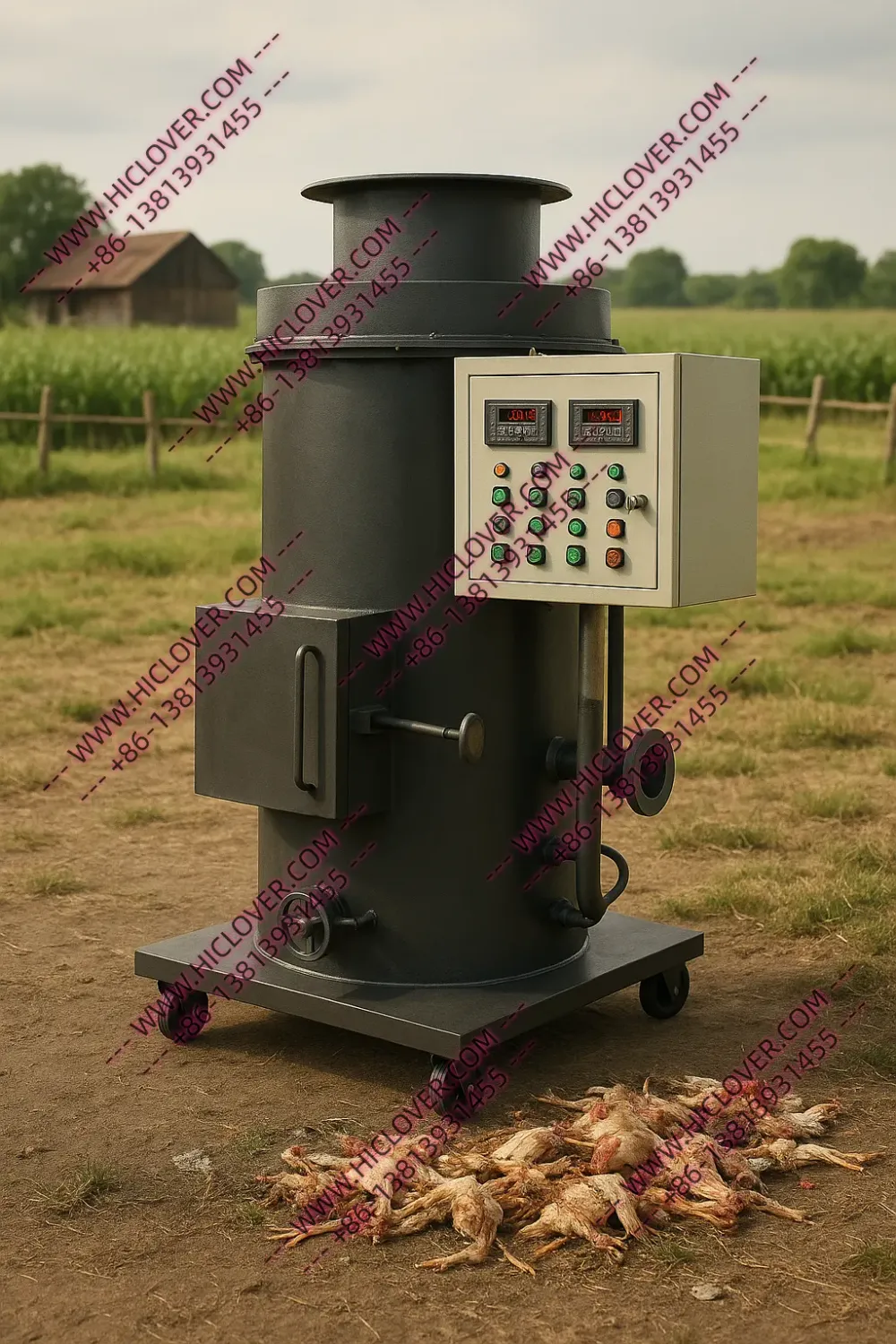
Simple Vertical Incinerator for Low-Infrastructure Waste Disposal: A Practical Solution for Rural and Low-Income Regions
$4 400.00
Waste Incinerators
Simple Vertical Incinerator for Low-Infrastructure Waste Disposal: A Practical Solution for Rural and Low-Income Regions
Have questions?
Simple Vertical Incinerator for Low-Infrastructure Waste Disposal: A Practical Solution for Rural and Low-Income Regions
Store Link: https://www.haiwos.com/ ***Product Details (***Please Sign In or Login to "My Account". Price is the EXW Factory Term price or send email to us get discount if possible and get shipping cost for delivery by CIF/C&F/FOB term: sales@hiclover.com***) WhatsApp on Mobile: +8613813931455
Simple Vertical Incinerator for Low-Infrastructure Waste Disposal: A Practical Solution for Rural and Low-Income Regions
A simple vertical incinerator offers a reliable and efficient method for handling non-hazardous waste in areas where infrastructure, power supply, and technical resources are limited. Designed with two combustion chambers and two burners, this compact system supports the safe disposal of general household waste, small animal remains, and everyday solid refuse. Its straightforward construction, low maintenance requirements, and easy-to-operate controls make it especially suitable for low-income communities, rural villages, temporary camps, emergency relief zones, and remote facilities.
1. System Overview
A vertical‐type incinerator is built around a tall cylindrical or rectangular combustion body. Waste is loaded from the upper door into the primary chamber, while combustion gases move upward into the secondary chamber for further treatment. This dual-stage structure reduces visible smoke, improves burning efficiency, and minimizes environmental impact compared with open-burning practices.
Key structural features include:
- Primary Combustion Chamber – Handles direct waste loading and initial combustion of household waste, small animals, and general refuse.
- Secondary Combustion Chamber – Achieves higher-temperature burnout of smoke and unburned particles for cleaner emissions.
- Two Independent Burners – One burner supports the primary chamber; one supports the secondary chamber to reach higher temperatures.
- Vertical Chimney – Enhances natural draft and stabilizes the combustion process.
This simple but effective layout is ideal for locations without access to grid-power pollution-control systems.
2. Operating Features
The system is designed for users with minimal technical training. Basic controls are intentionally simple but functional:
Easy Start-Up
- Diesel or LPG ignition burner
- Manual or basic electric switch control
- Stable natural draft through the vertical chimney
- Short warm-up time for everyday waste loads
Straightforward Shutdown
- Controlled burner cutoff
- Natural cooling cycle without complex procedures
- Mechanical doors with basic sealing to contain heat during cooldown
Essential Temperature Monitoring
- Simple analog or digital thermocouple display
- Primary chamber temperature indication
- Secondary chamber high-temperature display for ensuring complete burn
These features allow consistent operation even where technical support is limited.
3. Advantages for Low-Income and Rural Communities
A simplified vertical incinerator provides multiple advantages in areas with limited municipal waste services:
Low Initial Cost
The basic two-chamber design keeps the system affordable, avoiding unnecessary advanced components that would increase cost and maintenance.
Minimal Power Requirements
Two small burners operate efficiently with diesel or LPG. Natural airflow reduces the need for mechanical fans.
Low Maintenance
Simple refractory lining, mechanical doors, and manual controls reduce wear and tear.
Safe Disposal of Everyday Waste
Ideal for:
- General household garbage
- Village waste
- Small livestock or poultry mortality
- Medical screening camps generating small non-hazard waste streams
- Emergency and humanitarian field operations
Improved Public Sanitation
By replacing open burning and uncontrolled dumping, communities benefit from reduced odors, pests, and disease vectors.
4. Typical Applications
This simplified vertical incinerator is suitable for a broad range of field conditions:
- Rural villages and township centers
- Low-income communities lacking municipal services
- Remote agricultural stations
- Temporary construction sites
- Refugee camps and emergency shelters
- NGO and humanitarian field operations
- Small animal disposal at farms or veterinary points
Its portability and simple installation—often requiring only a flat ground surface—allow rapid deployment.
- Simple vertical incinerator
- Low-cost waste incinerator
- Two-chamber incinerator design
- Rural waste disposal incinerator
- Diesel burner waste incinerator
- Vertical small animal incinerator
- Dual-burner incinerator
- Waste incinerator for low-income regions
- Basic waste treatment system
- Household waste incinerator
- Remote-area waste incineration
A simple two-chamber vertical incinerator provides a practical, low-cost, and reliable waste-handling solution for regions without established sanitation infrastructure. Its dual-burner configuration ensures cleaner combustion, while its basic controls enable safe and intuitive operation. For communities, NGOs, and field operations seeking an economical way to improve sanitation and reduce environmental risks, this type of incinerator offers an ideal balance of performance, affordability, and simplicity.
Display prices in:USD